
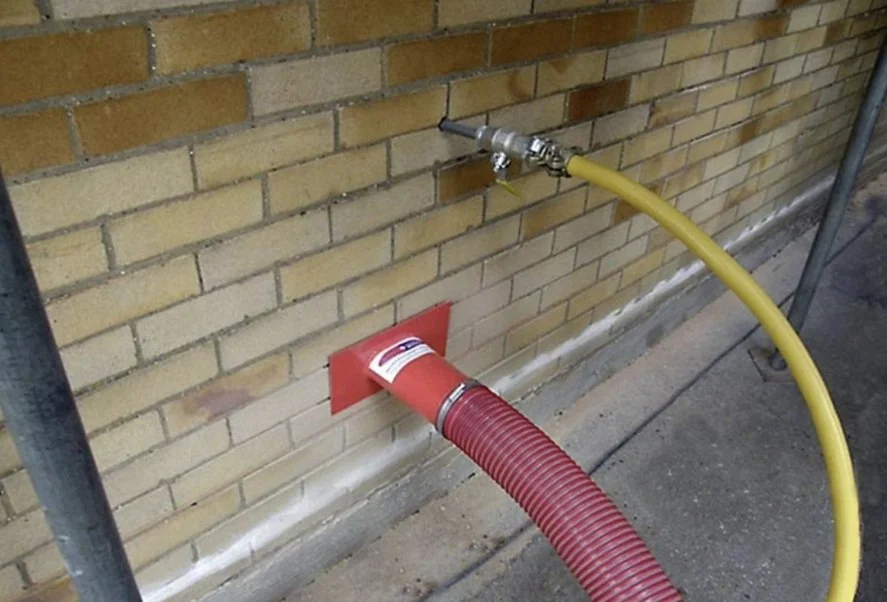
Cavity Wall Extraction
Cavity wall extraction is the process of removing insulation material from inside a cavity wall. It’s usually done when the existing insulation has caused problems or was installed incorrectly.
Why Cavity Wall Extraction is needed?
Extraction is typically needed if the insulation is causing issues such as:
Damp or moisture inside the walls
Mould growth indoors
Cold spots or poor insulation performance
Incorrect or poor-quality installation
Debris or unsuitable materials in the cavity
How does the extraction process work?
Inspection – A survey checks the wall condition and insulation type.
Drilling holes – Small holes are drilled in the exterior brickwork.
Vacuum extraction – Special industrial vacuums suck the insulation out of the cavity.
Flushing/cleaning (sometimes) – Air or water may be used to remove remaining debris.
Sealing the holes – The drilled holes are filled with matching mortar.
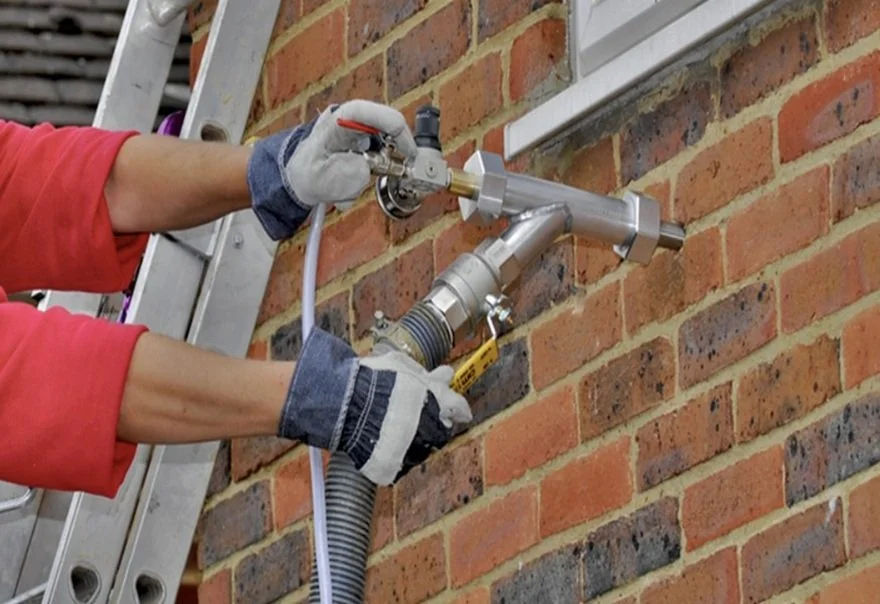
Cavity Wall Insulation
Cavity wall insulation is a method used to improve a building’s energy efficiency by filling the gap between two layers of a wall with insulating material. This reduces heat loss and helps keep the building warmer in winter and cooler in summer.
How cavity walls are built?
Many homes in the UK (especially built after the 1920s) have cavity walls, which consist of:
Outer wall – usually brick or stone, facing the outside
Inner wall – the wall you see inside the house
Cavity (gap) – a small space between them
How is the insulation installed?
Small holes are drilled in the outer brickwork in order to gain access to the cavity
Specialist equipment is used to blow insulation material into the cavity
Once fully insulated, the drills holes are sealed with mortar matching the original build
What are the benefits?
✅ Reduces heat loss through walls
✅ Lowers heating bills
✅ Makes rooms more comfortable
✅ Can reduce carbon emissions
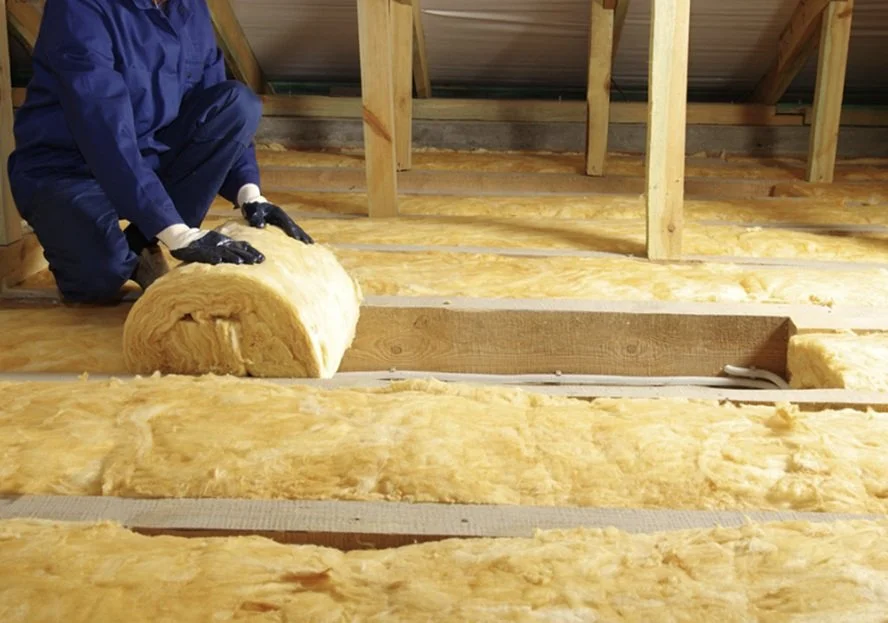
Loft Insulation
Loft insulation is material installed in the roof space (loft or attic) of a house to slow down heat escaping through the roof. Since heat rises, roofs are one of the biggest sources of heat loss in homes, so insulating the loft helps keep the house warmer and reduces energy bills.
How is the insulation installed?
Rolls of insulation are laid between the joists.
A second layer is laid across the joists to reduce heat escaping through the wood.
The recommended depth in the UK is usually around 270 mm.
What are the benefits?
✅ Reduces heat loss through the roof
✅ Lowers heating bills
✅ Improves home comfort
✅ Reduces carbon emissions
✅ Often quick and relatively inexpensive to install
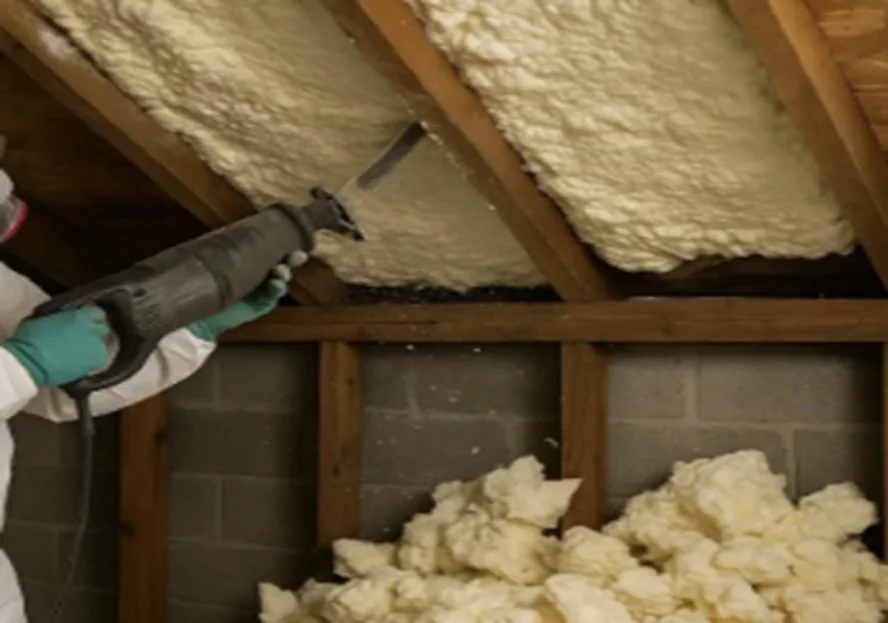
Spray Foam Removal
Spray foam removal is the process of removing spray foam insulation from a roof or loft space. This insulation is often applied directly to the underside of roof tiles, slates, or rafters to reduce heat loss and improve energy efficiency.
However, in some cases it needs to be removed because it can cause structural or mortgage-related issues.
How is the insulation remove?
Inspection and assessment of the foam type and roof condition
Manual cutting or scraping of the foam from rafters and roof tiles
Special tools or mechanical scrapers used to remove bonded foam
Cleaning remaining residue from timber and roof surfaces
What are the benefits?
✅ Makes the property mortgageable again with many lenders
✅ Allows proper roof inspection and maintenance
✅ Improves roof ventilation
✅ Reduces risk of hidden structural damage
DPC Injections
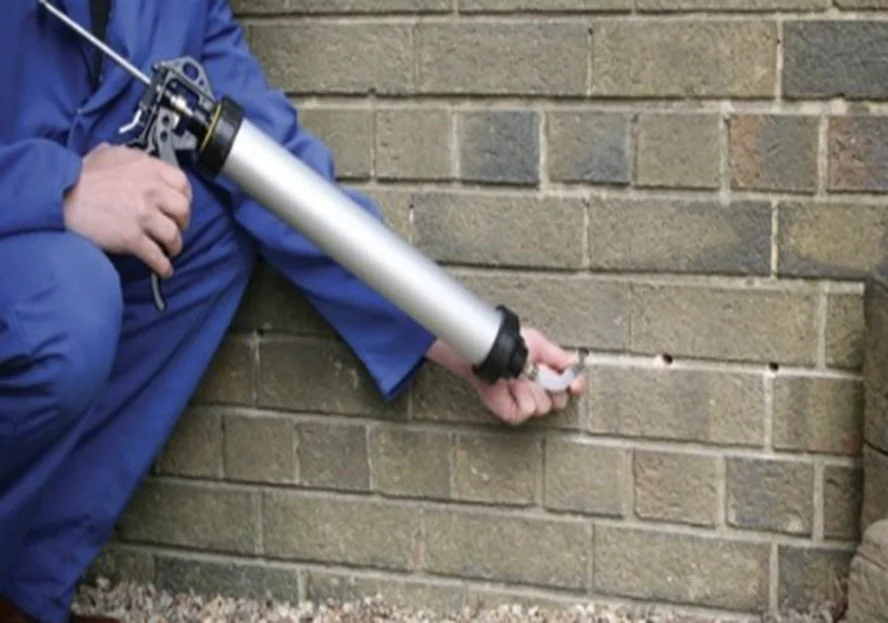
DPC injections (Damp Proof Course injections) are a method of treating rising damp in walls by creating a horizontal barrier that stops moisture rising from the ground.
How DPC injection works
Drilling holes – Small holes are drilled along the base of the wall at regular intervals.
Injecting damp-proof cream or liquid – A chemical (usually silicone-based) is injected into the holes.
Cream spreads through the wall – The chemical travels through the porous bricks and mortar, creating a water-repellent barrier.
Finishing – Holes are filled with mortar and walls can be replastered once dry.
This forms a new damp-proof course without removing walls or major construction work.
What are the benefits?
✅ Stops rising damp effectively
✅ Non-invasive – minimal disruption
✅ Can be applied to solid or cavity walls
✅ Preserves original wall structure